

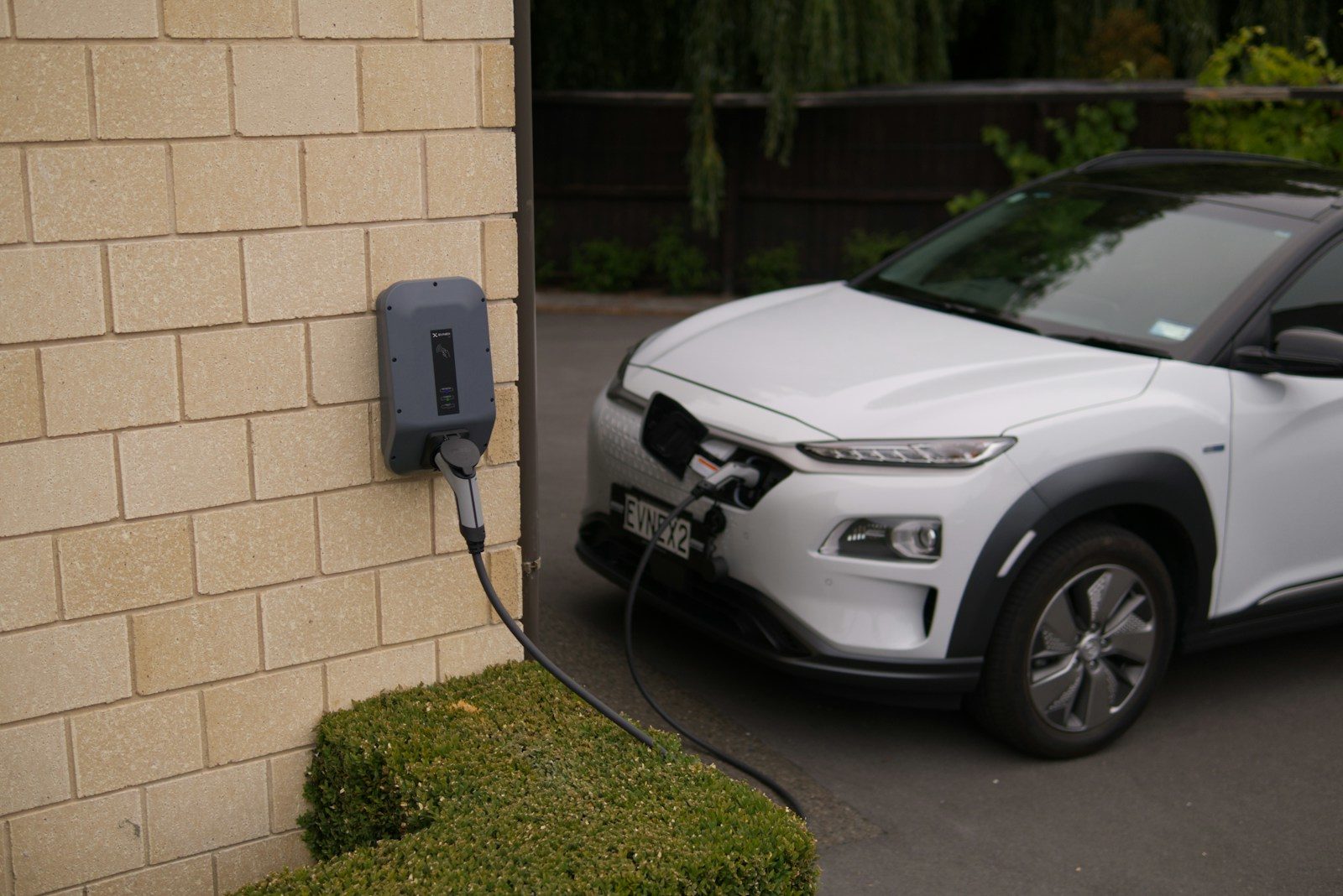
Charging an electric car in Greece is easier than most people expect. You can cruise Athens, hop to Thessaloniki, or do a long coastal run and still find plugs when you need them, as long as you plan a tiny bit.
If you are leasing a brand new EV for a 3 to 5 year run, charging becomes part of your routine, like coffee stops and parking. Get the basics right and you will drive smoother, spend less, and avoid the classic “where is the next charger” stress.
How charging works day to day in Greece
Public charging: what you will actually see on the road
Public charging in Greece is a mix of AC posts in cities and faster DC chargers on main roads, shopping areas, and bigger fuel stations. In practice, AC is what you use when the car will sit for a while, like at work, a hotel, or a mall. DC fast charging is your “quick top-up” for road trips or busy days.
Most modern EVs in Europe use Type 2 for AC and CCS for DC. If your car is a recent model, you are basically covered. Still, it is worth checking the exact ports on your chosen car before signing a long-term lease, just so there are no surprises with older imports or niche models.
Home charging: the easiest money saver
If you have a private parking spot, home charging is the sweet spot. Even a simple wallbox on a dedicated line can change the whole experience. You come home, plug in, wake up full. No detours, no waiting, no hunting for an available bay.
For apartment buildings, it can be a bit more “Greek reality”. Shared garages, building meetings, and who pays what. It is doable though. Many drivers start with a safe, properly installed socket setup and later upgrade to a wallbox once the building is on board. Do not wing it with random extensions, it is not worth the risk, ok?
Workplace charging: the underrated perk
More Greek companies are adding chargers in their parking areas, especially where they want to show a modern profile or have a fleet. If you are leasing through a Greek company, workplace charging is a big win because your weekly routine naturally includes long parking hours. It also fits the whole “company expenses” logic that makes leasing attractive for professionals.
Fast charging on trips: plan like a local
On long drives, you usually do not charge from very low to 100%. You stop, stretch, grab a snack, charge up to about 70% to 85%, then keep moving. Many EVs slow down charging near full, so chasing 100% on a DC charger can waste time.
Summer travel adds pressure. More cars on the road, more demand at chargers, and heat. You can still do it comfortably, just avoid arriving at the charger with 2% like a hero. Keep a buffer and you will feel relaxed.
Charging networks and apps
In Greece you will typically use an app or RFID card tied to a charging network. Some stations also support ad hoc card payments, but do not assume it, especially outside big urban areas. Before a trip, install one or two major charging apps and test your account while you are still in the city. The first time you try to register should not be at midnight on a windy island road.
For live station info and route planning, many drivers use community maps like PlugShare, plus the car’s built-in navigation if it supports charger routing. Coverage changes, stations go offline, new ones pop up, so it pays to check close to your travel date.
What charging usually costs
Pricing depends on where you charge and how fast. Home charging is usually the cheapest per kilowatt-hour, especially if you can use off-peak hours. Public AC is often mid-range. DC fast charging is commonly the most expensive, because you are paying for speed and infrastructure.
Some networks price per kilowatt-hour, others add time-based fees after a certain period, mainly to stop cars from blocking bays. And yes, you might see different rates for members versus non-members. Because tariffs change, always check the network’s app before you plug in so you do not get a nasty surprise.
How long it takes, in real life
Charging time is not one number. It depends on the charger power, your car’s onboard limits, battery temperature, and how full you already are. As a rough feel, AC charging is for hours, DC charging is for minutes to an hour-ish. The best habit is to match the charger to your schedule, not the other way around.
If you are leasing an EV and you want it to feel effortless, set up home charging if you can. If you cannot, then build a routine around a nearby public AC post where you already spend time. Gym, supermarket, office area. Simple.
Practical tips that make charging in Greece smoother
- Keep two options: one main charging app and one backup, plus a physical card if offered.
- Charge when you park anyway, not as a separate mission. It feels less like a chore.
- Do not block chargers after you finish. In busy areas, people will be waiting, and some networks add idle fees.
- In summer, expect slightly higher consumption with strong air con and higher speeds. Plan a bit more charging.
- On islands, check charger availability ahead of time. Some islands are great, others are still catching up.
- If a charger looks out of order, report it in the app. It helps everyone, and yes it actually gets fixed faster sometimes.
Home setup basics: what to ask an electrician
A proper home setup starts with a qualified electrician checking your panel capacity, grounding, and the cable route to your parking spot. Most drivers go for a wallbox with adjustable power so it can fit the building’s limits. Smart features are nice, but reliability is nicer.
If you are billing charging to a business, ask about metering. Some installations include a dedicated meter so you can track EV consumption separately. It keeps things clean for accounting, and it avoids the “who used what” drama in shared spaces.
Company leasing and charging: why it fits Greece well
For Greek businesses, long-term leasing of an electric car can be a practical move, not just a green statement. You get a new car, predictable usage planning, and the ability to treat the cost as an operating expense depending on your setup and accountant’s advice. Charging costs are also easier to track than fuel in many cases, especially when most charging happens at home or at the office.
For sales people, consultants, and anyone doing regular client visits, an EV is also a calmer drive in the city. Quiet, smooth, strong pull at low speeds. You arrive less tired, honestly.
Who charging in Greece suits best
If you are a businessman doing city routes with occasional highway runs, charging is straightforward. You will love overnight home charging or workplace top-ups. Families also do great, because most family driving is repeatable: school, errands, weekend trips. Once the routine is set, it is almost boring.
Couples who love road trips will enjoy the “stop and explore” vibe that charging creates, as long as they do not travel only on peak weekends. Older drivers often appreciate the simplicity of plugging in at home and not dealing with fuel stations. Groups sharing a car should agree early on who plugs in and when, otherwise somebody will always forget, typicall.
Common mistakes to avoid
The biggest mistake is relying only on fast charging. It works, but it can cost more and it adds friction. Another one is charging to 100% every day for no reason. Many EVs are happiest when you keep daily charging somewhere below full, unless you need the range the next morning. Your car will usually let you set a daily limit in the menu.
Also, do not ignore tire pressure. EVs are heavier and torque-y. Low pressure means more consumption and a softer feel. Check it monthly, especially before a long summer run.
Weather, terrain, and why Greece is special
Greece is not just city driving. You have mountains, windy roads, and hot coastal stretches. Heat can increase air conditioning use, while steep climbs consume more energy. The nice part is regen on the way down. You will see your range bounce back on descents, which feels like a little cheat code.
If you want official climate context for planning travel seasons, you can check the Hellenic National Meteorological Service for weather updates, and broader climate background on Wikipedia’s Climate of Greece page. For wider European energy and transport context, the European Commission energy portal is a solid reference. Info changes, so double-check close to your trip.
Charging etiquette: the unwritten rules
If a charger is busy and you are waiting, a quick chat goes a long way. Many drivers will tell you how long they need. If you are the one charging, leave a note with a time or keep notifications on. And if your car is full, move it. Nothing annoys people more than a fully charged EV parked like it owns the place.
Parking enforcement varies by area, so do not assume ICE cars will never block chargers. Have a backup station in mind, especially in dense neighborhoods.
How we help leasing clients make charging simple
When you lease an EV long term, the goal is day-one ease. We help you pick a car that matches your real routes, not fantasy range numbers. Then we talk charging. Home possibility, workplace options, nearby public points, and what cables you should keep in the trunk so you are covered.
If you want an offer built around your mileage and where you live, reach out and we will map it out with you. No pressure, just practical choices that fit your life.